

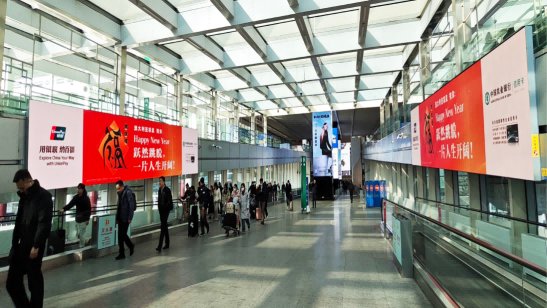
Beijing Capital Airport T3 Digital Billboard Advertising
T3 domestic & international arrival/departure corridor
RMB 1,800,000 / package / month
We are one of China's largest OOH advertising operators, with owned media spanning China airport advertising, China high-speed rail advertising, China metro advertising, and iconic China 3D billboard advertising and China Digital Billboard billboard advertising placements. Whether your goal is brand awareness or a full-scale city takeover in China, we help international brands run high-impact outdoor advertising in China campaigns — from media planning and creative localization to installation and post-campaign reporting.
We are the operator. Our media assets span China's most valuable consumer touchpoints — from Shanghai Pudong Airport to Beijing South Railway Station and Shenzhen Metro lines. This means direct inventory access, faster booking, verified availability, and pricing without hidden markups. Our bilingual campaign team supports creative localization, compliance review, installation, and post-campaign reporting for Fortune 500 brands, luxury houses, and fast-growing international companies.
T3 domestic & international arrival/departure corridor
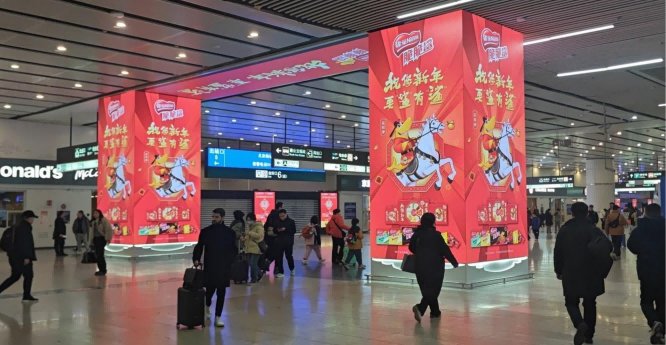
Central exit hall
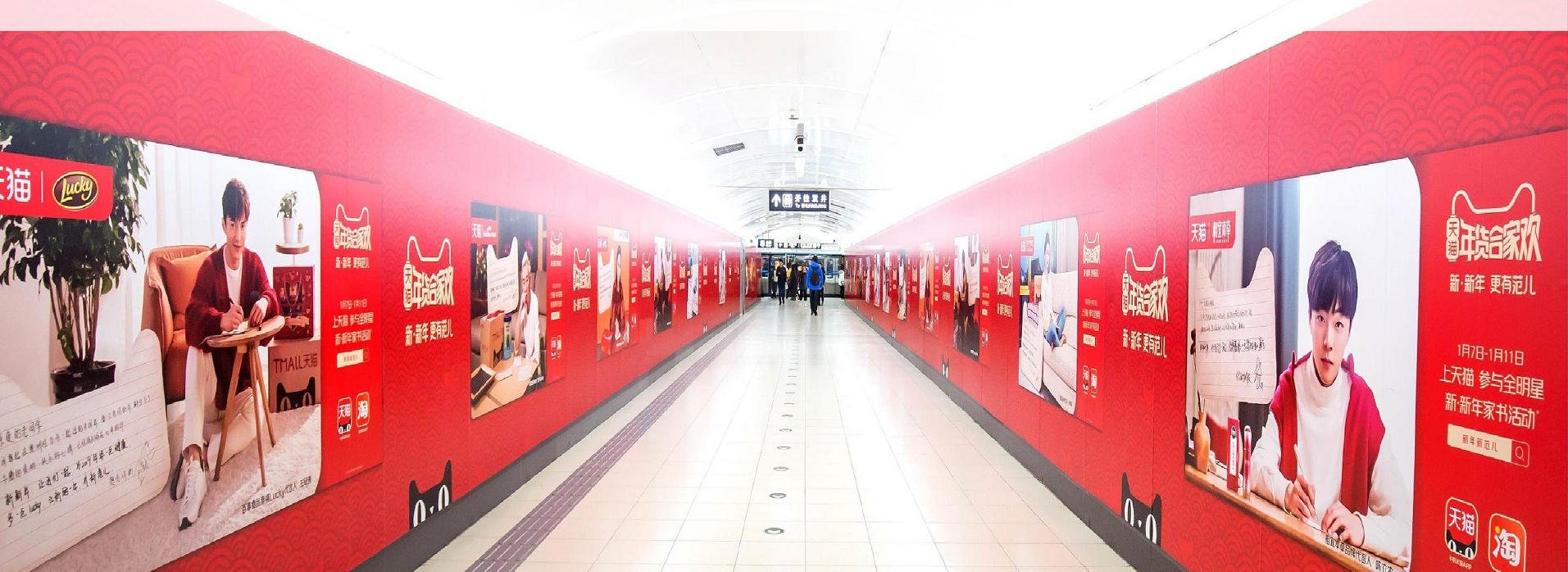
CBD core interchange passageway
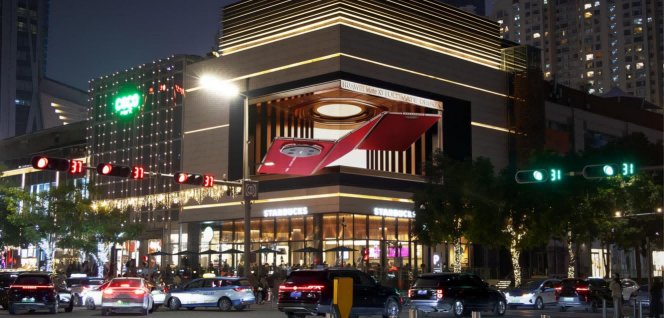
COCO Park shopping center, 6.8M weekly foot traffic
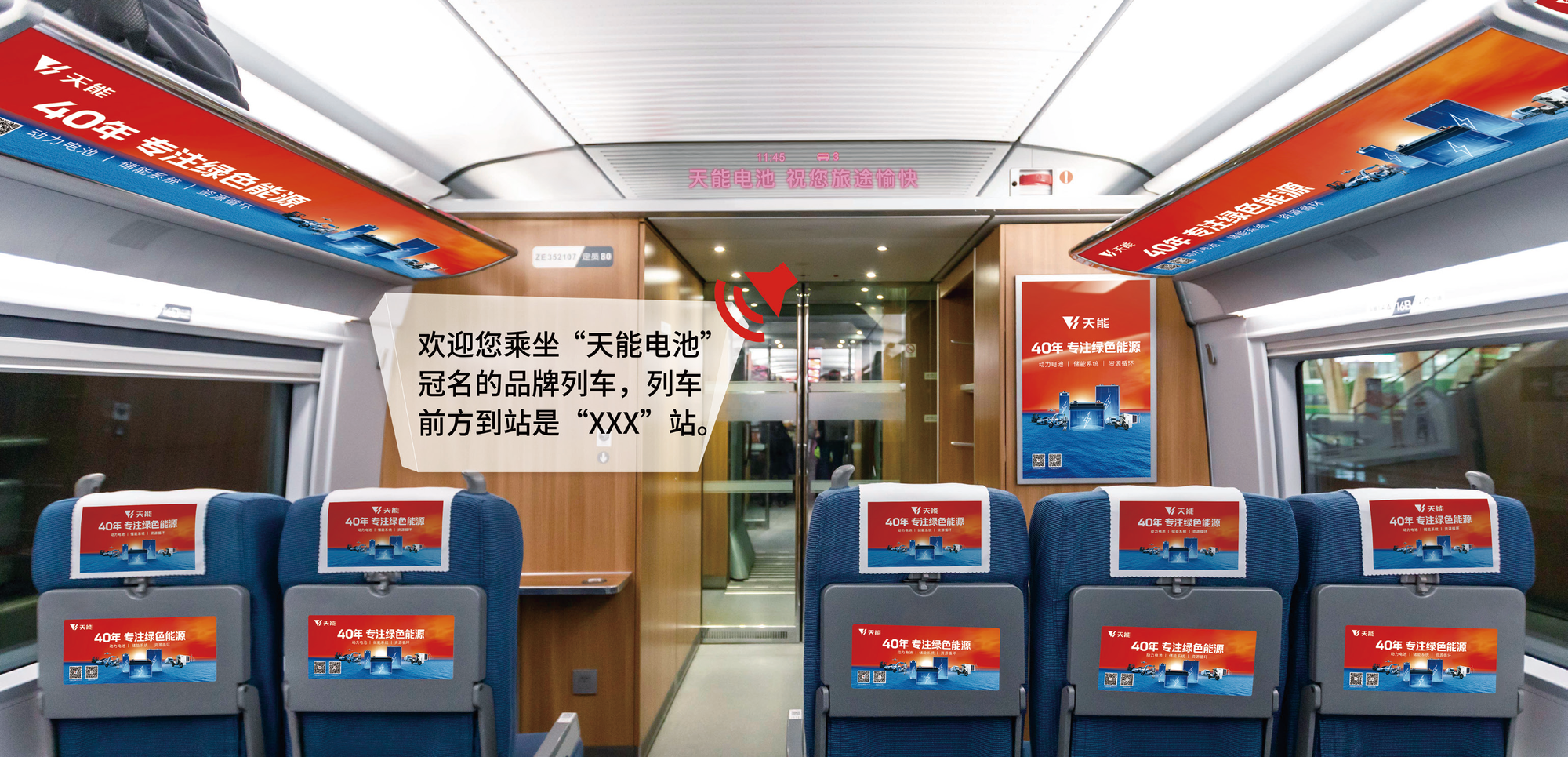
Headrest cover, table sticker, poster, luggage rack, LED, door poster, exterior body sticker
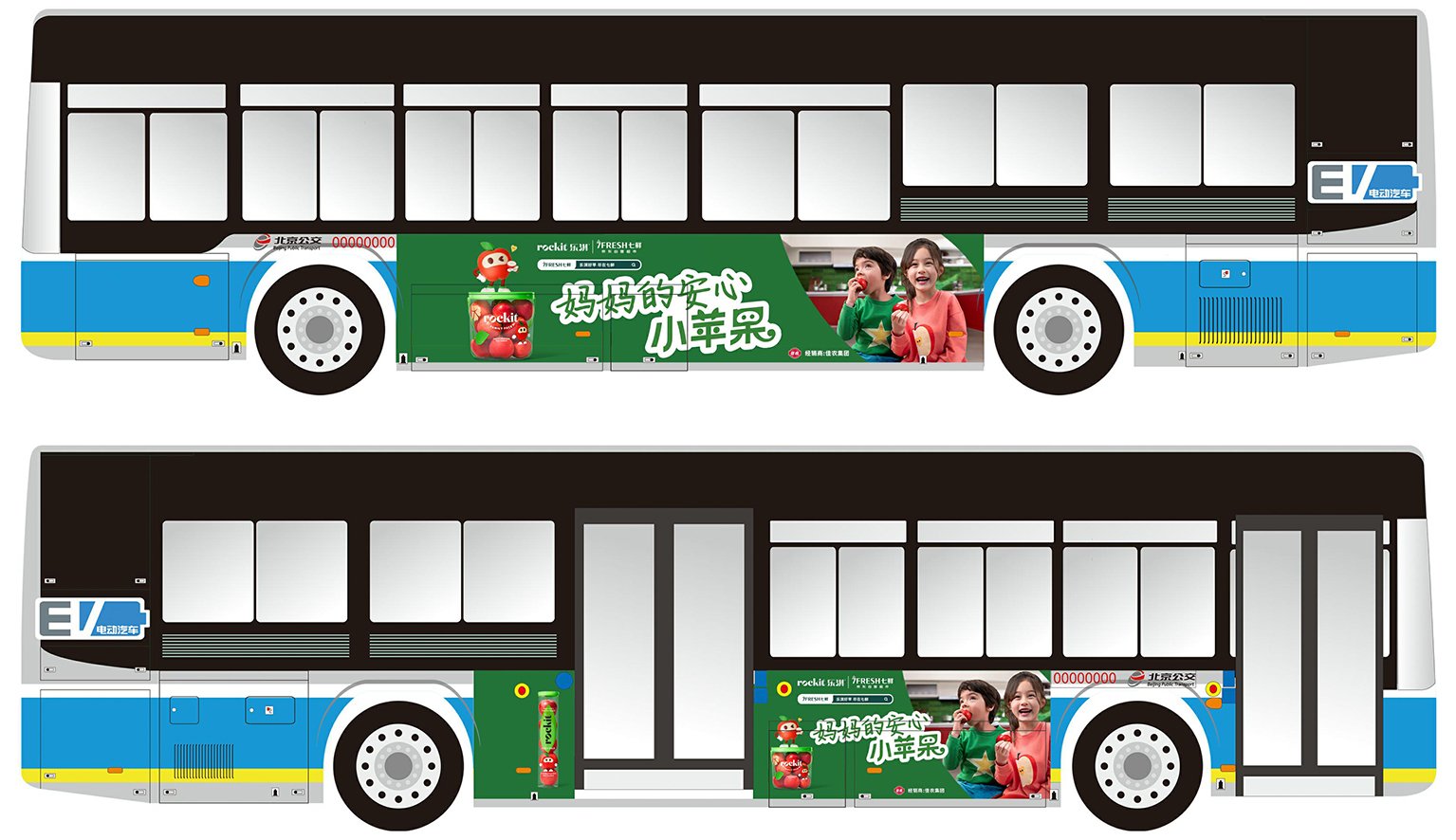
Route 675, city arterial coverage
Browse our self-operated media networks and find the right placement for your China campaign.
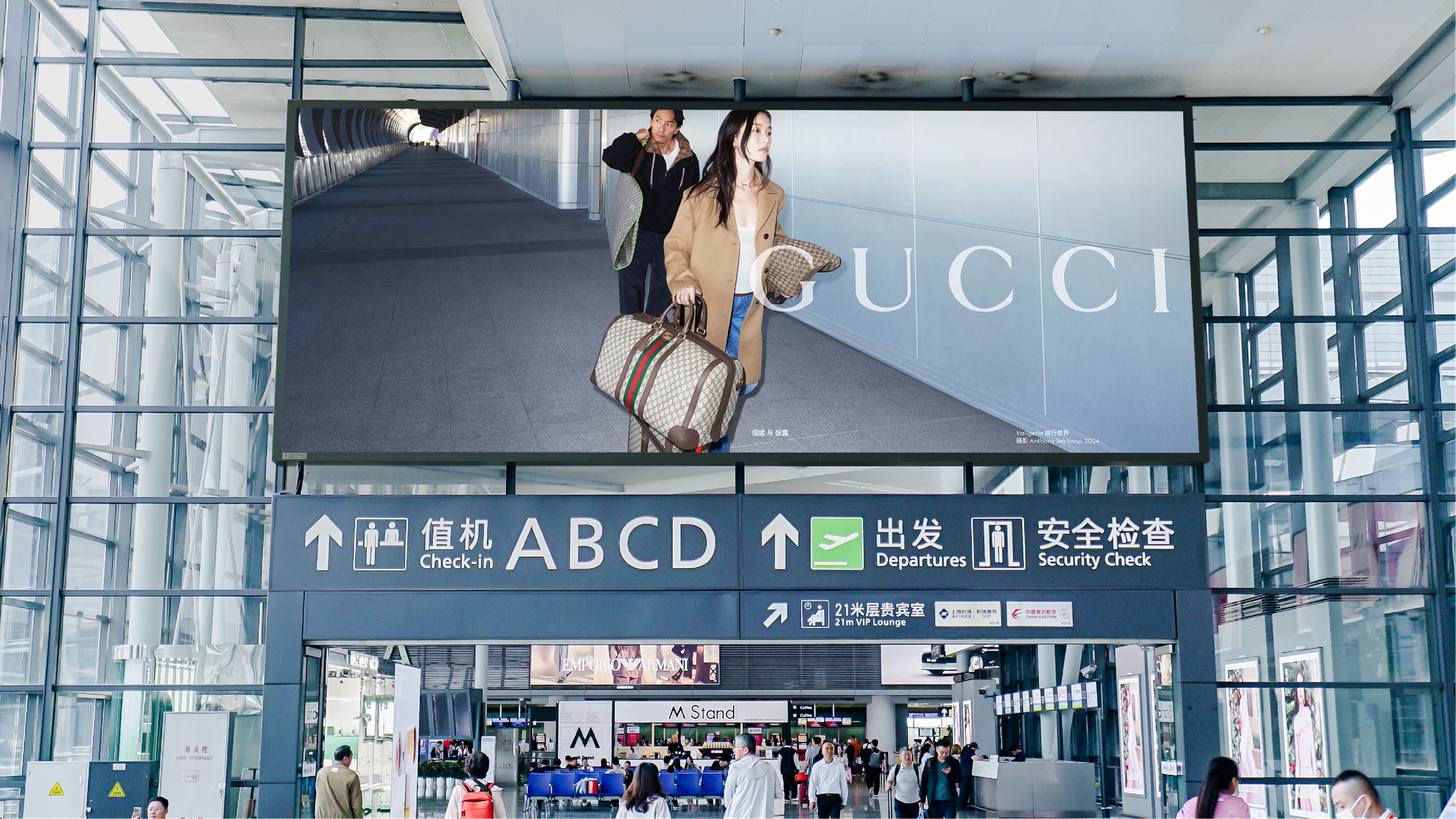
China's airport advertising reaches affluent business and leisure travelers at major hubs like Beijing Capital Airport, Beijing Daxing Airport, Shanghai Pudong Airport, Shanghai Hongqiao Airport, Guangzhou Baiyun Airport, Shenzhen Bao'an Airport, Chengdu Shuangliu Airport, Chengdu Tianfu Airport, and Hangzhou Xiaoshan Airport. Our China airport advertising placements cover key areas like domestic and international arrival/departure corridors and baggage claims.
Explore Airport Inventory →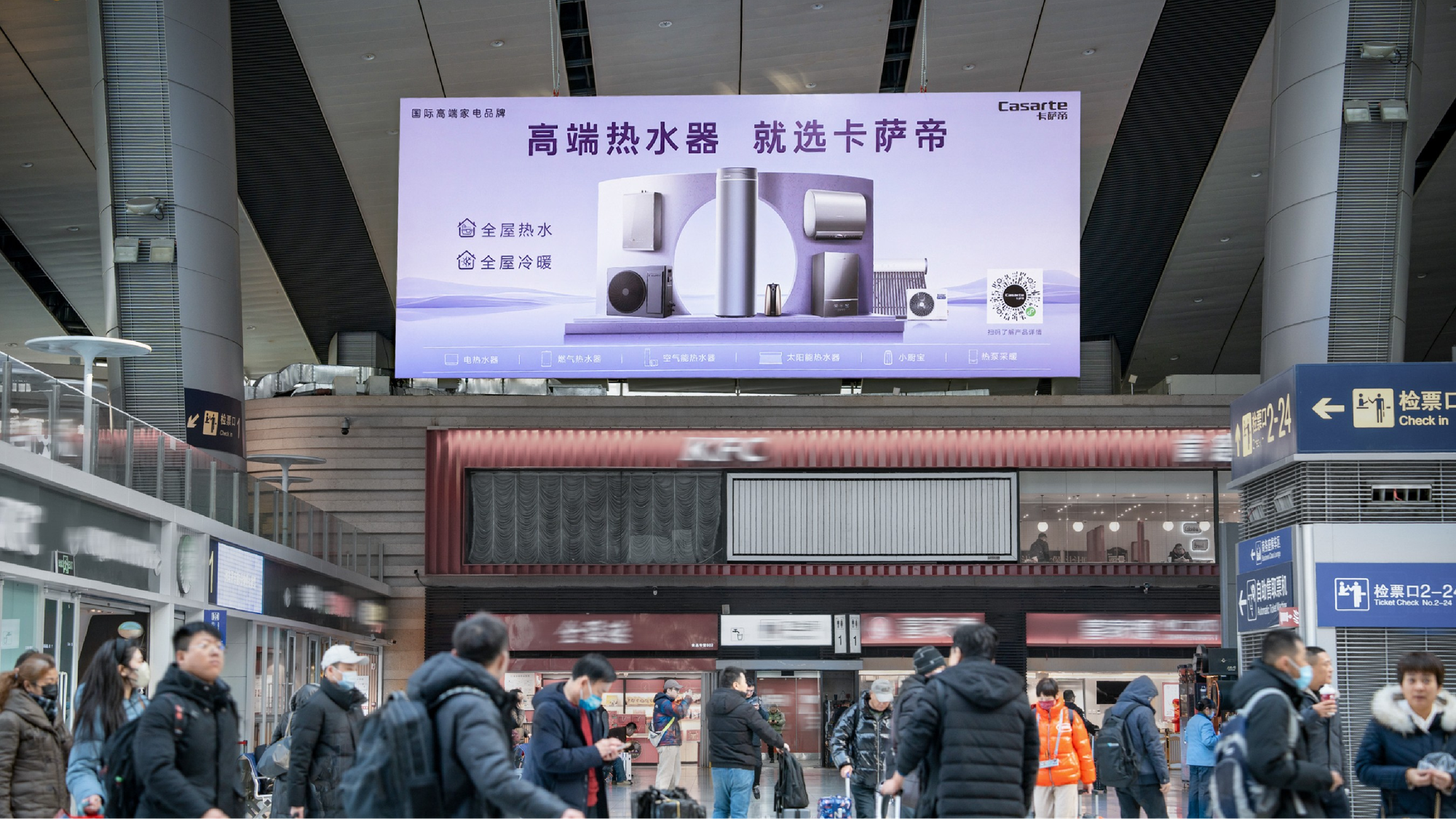
China's railway station advertising dominates arrival, departure, and waiting hall traffic at key traffic hubs like Beijing South Railway Station, Shanghai Hongqiao Railway Station, Guangzhou South Railway Station, Shenzhen North Railway Station, Chengdu East Railway Station, and Hangzhou East Railway Station.
Explore Railway Station Inventory →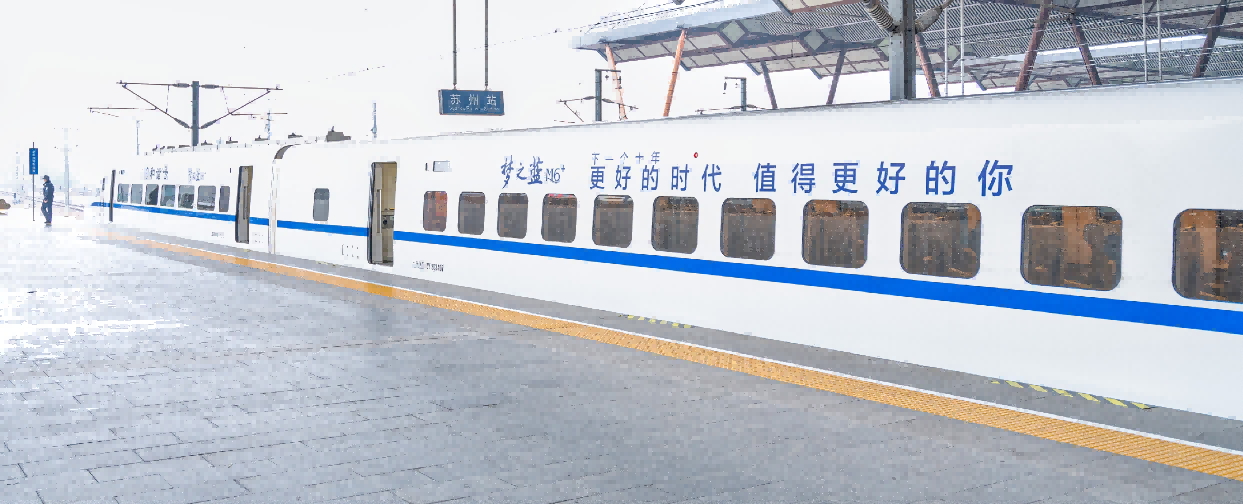
China's high-speed railway advertising places your brand inside railway trains along key high-speed rail lines like the Beijing-Shanghai, Beijing-Guangzhou and Shanghai-Chengdu rail lines. High-speed train advertising China, CRH advertising, and bullet train advertising China connect you with millions of business and leisure passengers every day.
Explore Rail Inventory →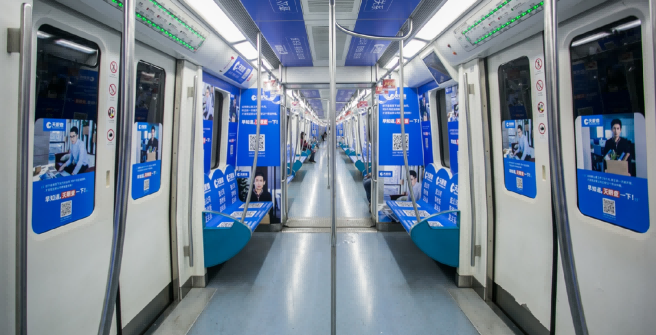
China's metro advertising and China subway advertising delivers high-frequency exposure in major cities like Beijing, Shanghai, Guangzhou, Shenzhen, Chengdu, Hangzhou, Wuhan, Xi'an, Nanjing, and Chongqing subway stations and subway trains.
Explore Metro Inventory →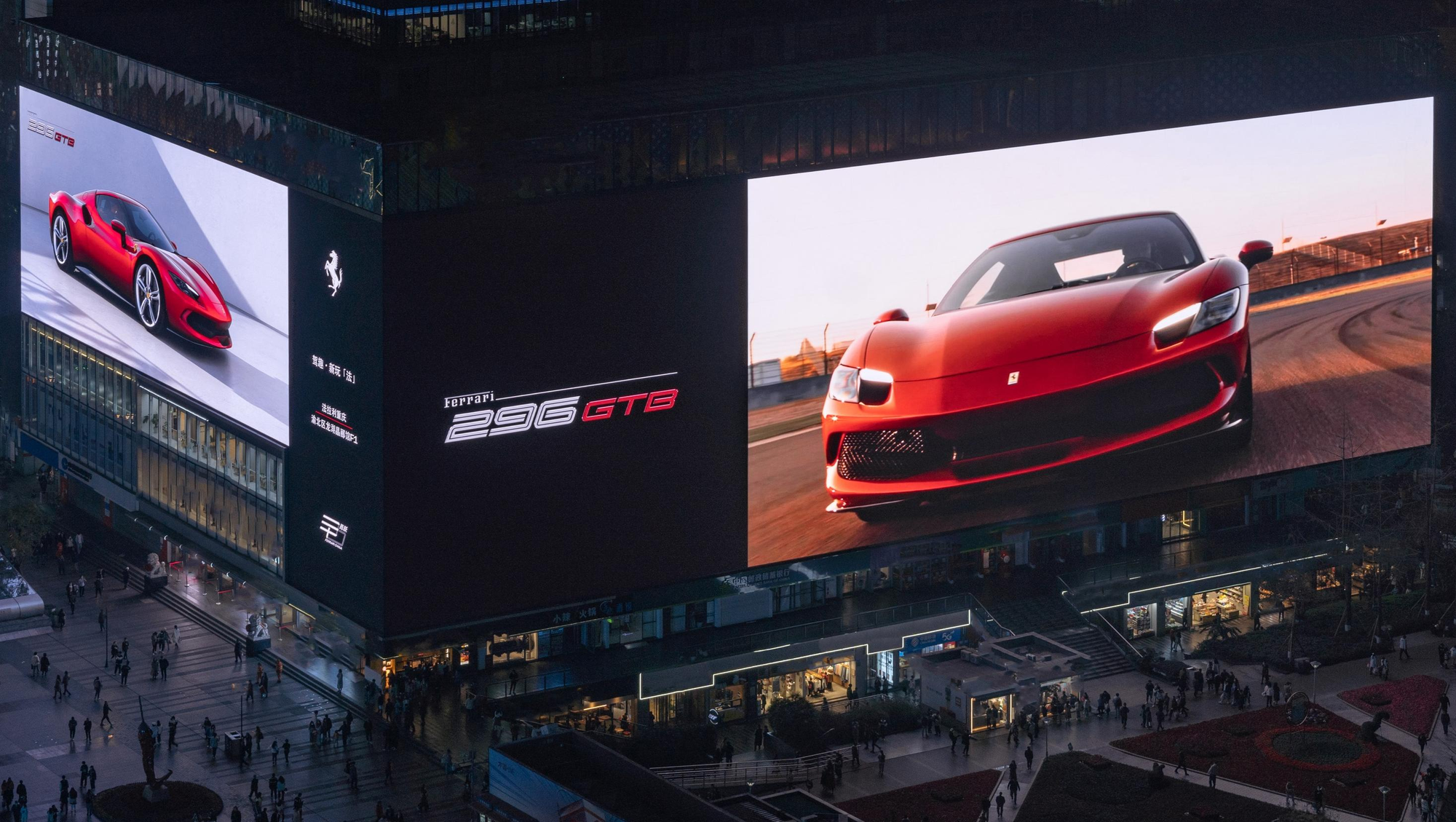
China's digital billboard advertising and China 3D billboard advertising cover iconic large-format displays in major cities like Beijing, Shanghai, Guangzhou, Shenzhen, Chengdu, and Hangzhou. China's naked-eye 3D billboard advertising creates viral and shareable brand moments in prime commercial districts.
Explore Billboard Inventory →Practical guides for brands planning outdoor advertising campaigns in China.
How international brands plan, buy and run airport advertising campaigns across China's busiest aviation hubs.
Read article →How brands capture China's travellers inside the country's busiest rail hubs.
Read article →How brands turn China's high-speed railway trains into moving brand environments from boarding to arrival.
Read article →How brands reach China's urban commuters every day across the world's largest metro networks.
Read article →How brands use city buses and bus shelters to move messaging through every neighbourhood in urban China.
Read article →How brands use China's city-centre digital billboard advertising, China's light show advertising and China's 3D digital billboard advertising to expand China's market shares.
Read article →How international brands launch high-impact naked-eye 3D billboard advertising campaigns in China.
Read article →How international brands reach China's moviegoers through China cinema advertising, China cinema pre-roll advertising, cinema sponsorship, lobby media, lightboxes and auditorium naming rights.
Read article →How international brands reach Chinese consumers inside residential communities, office buildings and mixed-use developments through China's elevator advertising.
Read article →What international brands should look for when selecting a China advertising agency to run airport, railway, metro, OOH and bus advertising campaigns across China's top cities.
Read article →Tell us your target cities, audience, budget, and campaign dates.
We recommend owned inventory with confirmed availability and transparent pricing.
Our team adapts creative, handles compliance, and manages production.
We execute installation, monitor live sites, and deliver proof-of-performance.
Our owned and operated advertising network spans more than 30 of China's most economically developed cities, including Beijing, Shanghai, Guangzhou, Shenzhen, Chengdu, Chongqing, Hangzhou, Wuhan, Xi'an, Nanjing, Tianjin, Suzhou, Qingdao, Changsha, Zhengzhou, and Ningbo. Our core strength is concentrated in four regions:
1. The Greater Bay Area, covering Guangzhou, Shenzhen, and surrounding manufacturing and innovation hubs.
2. The Yangtze River Delta, including Shanghai, Hangzhou, Suzhou, and Nanjing.
3. The Beijing-Tianjin-Hebei region, covering Beijing, Tianjin, and key northern transport corridors.
4. The central and western growth markets, digital billboard by Chengdu, Chongqing, and Xi'an.
China's airports and high-speed rail hubs serve very different traveler ecosystems, so the right channel depends on your brand stage and target category.
1. Airports. Airport terminals concentrate affluent business travelers, international passengers, and premium leisure tourists. These audiences have longer dwell times, higher discretionary income, and a stronger propensity for luxury goods, financial services, automobiles, cosmetics, and premium spirits. If your brand is in the consideration or premiumization stage, airports are the right stage.
2. High-speed rail hubs. Rail stations in Tier 1 and Tier 2 cities capture a broader but still high-quality domestic audience: regional business travelers, middle-class families, and young professionals moving between city pairs. They are ideal for mass-market awareness, e-commerce promotions, consumer electronics, food and beverage, education, and local services.
3. Tier 2 rail stations specifically. These offer efficient reach into fast-growing consumer markets where competition for attention is lower than in Beijing or Shanghai, making them a strong choice for brands expanding beyond Tier 1 cities.
Four adjustments matter most:
1. Cultural resonance. Chinese consumers respond to themes of family reunion, prosperity, gift-giving, seasonal festivals, and collective achievement. Western individualistic messaging often needs reframing.
2. Professional creative adaptation. Our in-house advertising creative team specializes in adapting international brand assets for the China market. For clients who want a fully bespoke visual concept, we can also arrange an additional creative design service digital billboard by senior outdoor advertising designers with over ten years of experience in China OOH ad artwork design. Their expertise ensures your visuals are not only locally resonant but also technically optimized for displaying media like large-format screens and pillar wraps.
3. Visual conventions. Color symbolism and product staging differ from Western markets. For example, red and gold convey celebration; local faces and contexts increase relatability.
4. Compliance and platform formats. Outdoor advertising in China requires content review. Creative must avoid sensitive political, territorial, or religious references, and should be adapted for horizontal digital screens, pillar wraps, and vertical platform screen doors.
Our bilingual planning team reviews creative for both cultural fit and compliance before production.
Premium hub advertising creates four types of long-term value:
1. Brand authority and trust. Being present in iconic locations such as Beijing Capital Airport T3 or Beijing South Railway Station signals that a brand is established enough to occupy China's most valuable public media spaces.
2. Content for digital amplification. High-impact placements, especially naked-eye 3D billboards, generate user-generated content on social platforms like WeChat, Weibo, and Douyin, extending the campaign's life far beyond the flight period.
3. Sales enablement. Field teams can use proof-of-performance photos and videos in retail pitches, investor presentations, and B2B negotiations.
4. Competitive positioning. Premium presence blocks competitors from owning the same visual territory and helps brands maintain category leadership.
Send us your target cities, audience, and budget. Our team will respond with a tailored advertising plan.
Request Media Kit